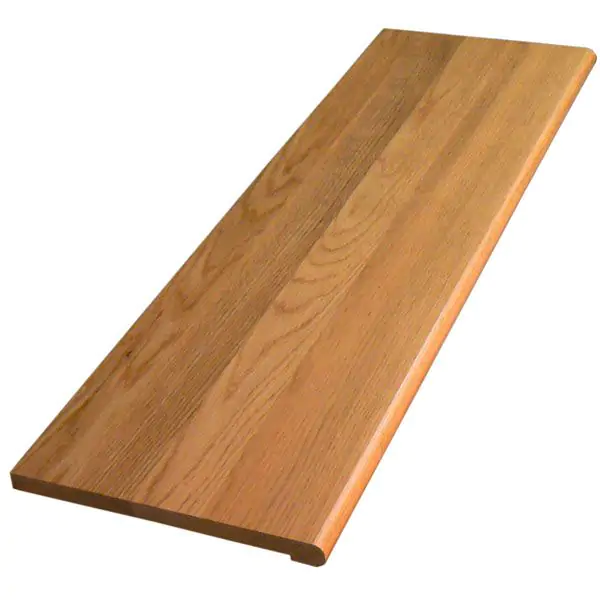
Choosing stair treads that work with the surrounding flooring requires more than finding a similar stain color. Wood species, grain pattern, finish sheen, riser treatment, landing materials, and lighting conditions all influence how the staircase relates to the rest of the interior. Flooring dealers, contractors, builders, architects, and designers should review these elements together before approving the staircase materials.
Decide Whether to Match or Contrast
The first design decision is whether the staircase should closely match the flooring or create a deliberate contrast. Either approach can work when it is planned from the beginning.
A close match may be preferred when the staircase connects directly to a hardwood floor and the client wants visual continuity. A contrasting treatment may be suitable when the stairs are intended to act as an architectural feature.
Common approaches include:
- Matching the tread species and stain to the flooring
- Using a related wood species with a similar undertone
- Pairing natural wood treads with painted white risers
- Selecting dark treads against lighter flooring
- Coordinating the handrail with the treads while contrasting the risers
- Repeating a wood tone found in cabinetry, doors, or furniture
The chosen approach should appear intentional. Materials that are almost—but not quite—the same can sometimes look less coordinated than a clearly defined contrast.
Compare Wood Species, Not Just Colors
Two wood products can receive similarly named stains and still look different. Grain structure, natural color, board variation, and stain absorption all influence the final appearance.
Red oak generally has a visible grain pattern, while white oak offers a different grain character and natural undertone. Maple tends to have a finer appearance but may accept stain differently from oak. Other hardwood species introduce their own color and grain traits.
When comparing species, consider:
- Natural heartwood and sapwood variation
- Grain visibility
- Stain absorption
- Relative hardness
- Availability in treads, risers, and landing parts
- Compatibility with handrails and newel posts
- Relationship to the main flooring
If an exact flooring species is unavailable for every stair component, the design team should identify which parts need the closest match and where a complementary material can be used.
Review Undertones in the Actual Room
A stain that appears warm brown in one setting may look red, amber, gray, or muted in another. Natural light, artificial lighting, wall colors, and nearby finishes can alter how the wood is perceived.
Samples should be reviewed near the staircase during different parts of the day. Place them beside the flooring, wall paint, trim, and any nearby cabinetry.
Look for compatibility between:
- Warm, cool, or neutral undertones
- Light and dark values
- Grain contrast
- Finish sheen
- Painted trim
- Metal balusters and hardware
- Surrounding furniture or built-in features
The objective is not always an exact color match. The materials should share enough visual characteristics to feel connected.
Coordinate the Risers
Risers occupy a large portion of the staircase’s visible surface. Their material and color can change the overall appearance as much as the treads themselves.
Common riser treatments include:
- Stained hardwood matching the treads
- Painted white risers
- Painted risers in a color related to the walls or trim
- Thin wood risers used during a retro installation
- Traditional hardwood risers for new stair construction
Matching wood risers create a consistent hardwood appearance. Painted risers can provide contrast and make the tread color more prominent. However, light-painted surfaces may show marks more readily in busy households or commercial settings.
The final decision should account for the interior style, expected foot traffic, cleaning requirements, and available stair construction.
Plan the Landing Transition
The landing is where the staircase and flooring often meet most visibly. A poorly planned transition can interrupt an otherwise coordinated installation.
Depending on the staircase layout, the landing may require hardwood flooring, landing tread, nosing, moulding, or a landing panel system. The flooring direction should also be considered because it affects how the boards meet the stair edge.
Before ordering, verify:
- Landing dimensions
- Flooring direction
- Required nosing profile
- Tread thickness
- Height of adjoining finished floors
- Exposed landing edges
- Transition points between materials
- Finish requirements for landing components
These details should be shown on the project drawings or material schedule rather than resolved after installation begins.
Account for Natural Wood Variation
Hardwood products naturally vary from board to board. A sample represents the general species and finish, but it cannot show every grain pattern or shade that may appear in a full order.
Clients should understand that some variation is expected. Contractors can manage the final appearance by laying out the material before installation and distributing lighter, darker, and more visibly grained pieces throughout the staircase.
A pre-installation layout allows the installer to:
- Identify major color differences
- Arrange grain patterns thoughtfully
- Position preferred boards in prominent locations
- Check the relationship between adjoining treads
- Confirm that the complete order meets project expectations
Materials should be inspected after delivery and before cutting, fastening, or installation.
Review Finish Sheen and Texture
Color receives most of the attention during product selection, but sheen can also create a visible difference. A low-sheen floor beside a glossier staircase may not appear coordinated, even when the stain colors are close.
Compare the surface appearance of:
- Flooring
- Treads
- Risers
- Landing components
- Handrails
- Newel posts
- Wood balusters
The finishes do not necessarily need identical sheen levels, but significant differences should be an intentional part of the design.
Use a Final Material Checklist
Before approving the order, review the staircase as one connected assembly. Confirm:
- Tread type and dimensions
- Wood species
- Stain color and sheen
- Riser material
- Landing treatment
- Moulding and veneer
- Handrail and newel finish
- Baluster material
- Return direction
- Quantities and installation allowance
Careful material coordination can connect the staircase with the flooring while giving it a clear architectural presence. Flooring dealers, builders, contractors, and design professionals can visit Wood Stair Co to review prefinished hardwood treads, risers, landing materials, handrails, and related components for upcoming staircase projects.